

round lighted mirror
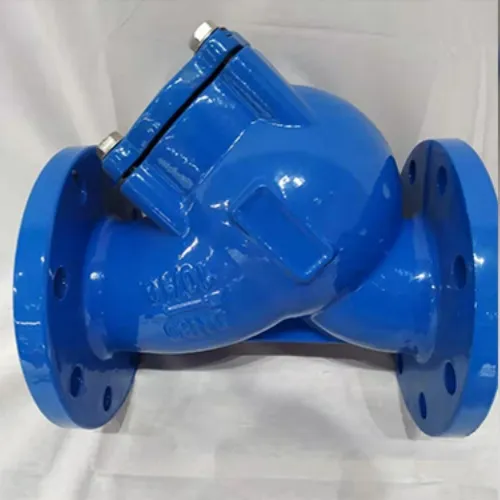
Understanding Disc Type Check Valves A Comprehensive Overview Check valves are essential components in many fluid systems, ensuring that flow occurs in one direction while preventing backflow. Among the various designs of check valves, the disc type check valve stands out due to its unique mechanism and advantages in specific applications. This article will explore the features, benefits, applications, and maintenance of disc type check valves. What is a Disc Type Check Valve? A disc type check valve is a type of non-return valve that utilizes a disc as its primary closure element. This disc is typically attached to a hinge or pivot point, allowing it to rotate or lift in response to the fluid flow. When the fluid moves in the intended direction, the disc opens, allowing flow through the valve. Conversely, if the flow attempts to reverse, the disc closes swiftly to prevent backflow, thereby protecting the system from contamination or damage. Key Features 1. Design Variants Disc type check valves come in various designs, including tilting disc and lift disc varieties. The tilting disc design allows for a wider flow area and is usually preferred for larger systems, while lift disc valves are more compact and suitable for applications with lower flow rates. 2. Materials These valves can be made from a range of materials including stainless steel, brass, and plastic, enabling them to withstand different pressures, temperatures, and chemical environments. 3. Pressure Ratings Disc type check valves are available in a range of pressure ratings, making them suitable for both high-pressure and low-pressure applications. Benefits - High Flow Efficiency Due to their streamlined design, disc type check valves offer minimal flow resistance, enhancing the overall efficiency of the system. - Quick Response The lightweight disc mechanism provides rapid closure, minimizing the risk of backflow and ensuring system integrity. - Versatility These valves are adaptable for various applications, including water, oil, gas, and chemical systems, making them a preferred choice in many industries. Applications disc type check valve Disc type check valves are utilized in a diverse array of industries - Water and Wastewater Treatment They help prevent contamination and protect pumps and other equipment from backflow . - Oil and Gas In pipelines transporting hydrocarbons, these valves ensure that the flow remains unidirectional, vital for operational safety. - HVAC Systems They are employed to prevent system damage and maintain efficiency in heating and cooling applications. - Chemical Processing The ability to tailor materials for corrosive environments makes them suitable for various chemical applications. Maintenance and Care To ensure the longevity and proper functionality of disc type check valves, regular maintenance is crucial. This includes - Routine Inspections Checking for signs of wear, tear, or corrosion. - Cleaning Removing any debris or buildup that may hinder the operation of the disc. - Testing Periodically testing the valve under operational conditions to confirm its reliability. Conclusion In summary, disc type check valves are vital components in various fluid systems. Their efficient design, quick operational response, and versatile applications make them irreplaceable in industries ranging from water treatment to chemical processing. Proper maintenance is essential to ensure their durability and functionality, thus safeguarding the systems they are integrated into. Understanding their features and applications can help engineers and technicians select the right valve for their specific needs, contributing to safe and efficient operations.
about
round lighted mirror
The Art and Science of Bird Catching Nets Bird catching nets, a fascinating blend of tradition, artistry, and science, have been used for centuries across various cultures. These nets serve not only as a practical tool for capturing birds but also as a testament to the skills and techniques that have been perfected over generations. In this article, we will explore the history, types, and methods associated with bird catching nets, as well as their ecological implications. Historical Perspective The use of nets for catching birds can be traced back to ancient civilizations. Archaeological evidence shows that Egyptians, Greeks, and Romans employed netting techniques to capture birds for food, trade, and sport. These nets were often made from natural fibers such as plant materials or animal sinews, showcasing the ingenuity of our ancestors in utilizing available resources. In many indigenous cultures, bird catching was not only a means of sustenance but also an important ritual. Different species of birds were revered and held spiritual significance, which made the selection of catching techniques and tools crucial. The traditional methods of net making and bird catching rituals have been passed down, reflecting a deep connection between communities and their natural environment. Types of Bird Catching Nets There are various types of nets used in bird catching, each designed for specific purposes and environments. The most common types include 1. Mist Nets These fine, nearly invisible nets are often used in scientific research for capturing birds without causing harm. They are typically set up in areas where birds are likely to fly, such as migratory paths or feeding stations. Mist nets play a vital role in the study of avian populations, migration patterns, and health assessments. bird catching net 2. Drop Nets Often used in hunting or when capturing larger birds, drop nets are strategically placed and triggered to fall when birds are enticed into a certain area, usually by bait. This method requires precise timing and knowledge of bird behavior. 3. Baited Nets These nets are set up with lures or food to attract birds. The nets are often camouflaged to blend into the environment, making them less noticeable to birds. This method is frequently employed by bird watchers or researchers seeking to capture particular species for study or rehabilitation. Techniques and Methods The success of bird catching with nets relies heavily on understanding avian behavior. Knowledge of flight patterns, feeding habits, and social structures are essential for effectively setting up nets. Many bird catchers scout locations beforehand, studying areas with abundant bird activity to determine the best places to set their nets. Camouflage is another crucial aspect. Successful bird catchers often use natural materials to disguise their nets, helping them remain inconspicuous to the birds. Additionally, the timing of the catch is significant; dawn and dusk are usually the most productive times for bird activity, making these periods ideal for net setup. Ecological Considerations While bird catching can be a valuable tool for research, conservation, and even cultural practices, it is important to approach the activity with ecological sensitivity. Excessive or unethical trapping can lead to population declines, especially in vulnerable species. Responsible practices, such as ensuring minimal disturbance and using non-lethal methods, are crucial for maintaining healthy bird populations. In conclusion, bird catching nets represent a remarkable intersection of culture, tradition, and science. They facilitate our understanding of avian life while also providing insights into past human interactions with nature. As we continue to innovate and adapt our techniques, it is essential to balance our interests with the well-being of the birds we seek to study and protect. In doing so, we can contribute to the preservation of bird species for future generations to enjoy.
-

High quality industrial productsagement

High quality industrial products
View Details -

Meet the diverse needs of customers

Meet the diverse needs of customers
View Details -

Strict quality control

Strict quality control
View Details -

Top raw materials

Top raw materials
View Details -

Trusted supplier

Trusted supplier
View Details
Our application
news and information
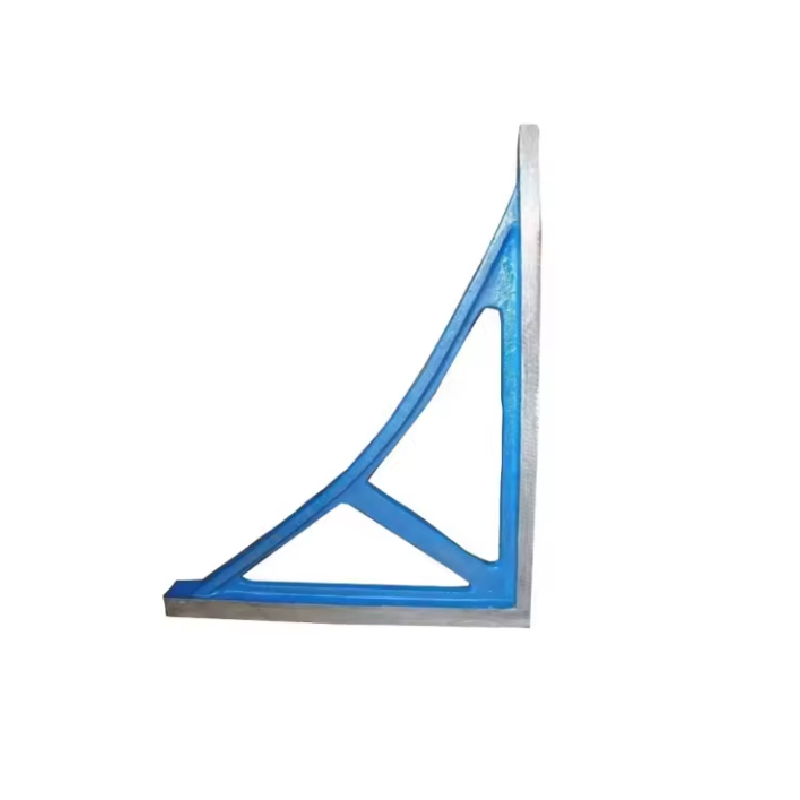
Versatile L-Shaped Metal Ruler for Precision Measuring and Layout Tasks
The Versatility of the Metal L-Shaped Ruler In the realm of tools and instruments, few items are as
veitsen porttiventtiilityypit
Knife gate -venttiilit ovat erityinen venttiilityyppi, joka on suunniteltu erityisesti kiinteiden ja
v block made of
Understanding V-Block Made Of A Fundamental Tool in Manufacturing In the world of manufacturing and
 English